Data Submission to the Credit Bureaus
- Jun 9, 2025
- 3 min read
Introduction
The Credit Information Companies (Regulation) Act, 2005 (CIC Act) was enacted to regulate credit information companies (CICs) in India. It ensures transparency in credit reporting and facilitates efficient credit distribution. The Act mandates that financial institutions, including NBFCs, submit credit data to CICs, enabling lenders to assess borrowers' creditworthiness.
Importance for Credit Bureaus:
Standardized Credit Reporting: Ensures uniformity in credit data collection and dissemination.
Improved Risk Assessment: Helps financial institutions evaluate borrowers effectively.
Regulatory Compliance: Mandates membership with CICs for financial institutions.
Consumer Protection: Ensures accuracy and security of credit information.
What is a Credit Information Report (CIR)?
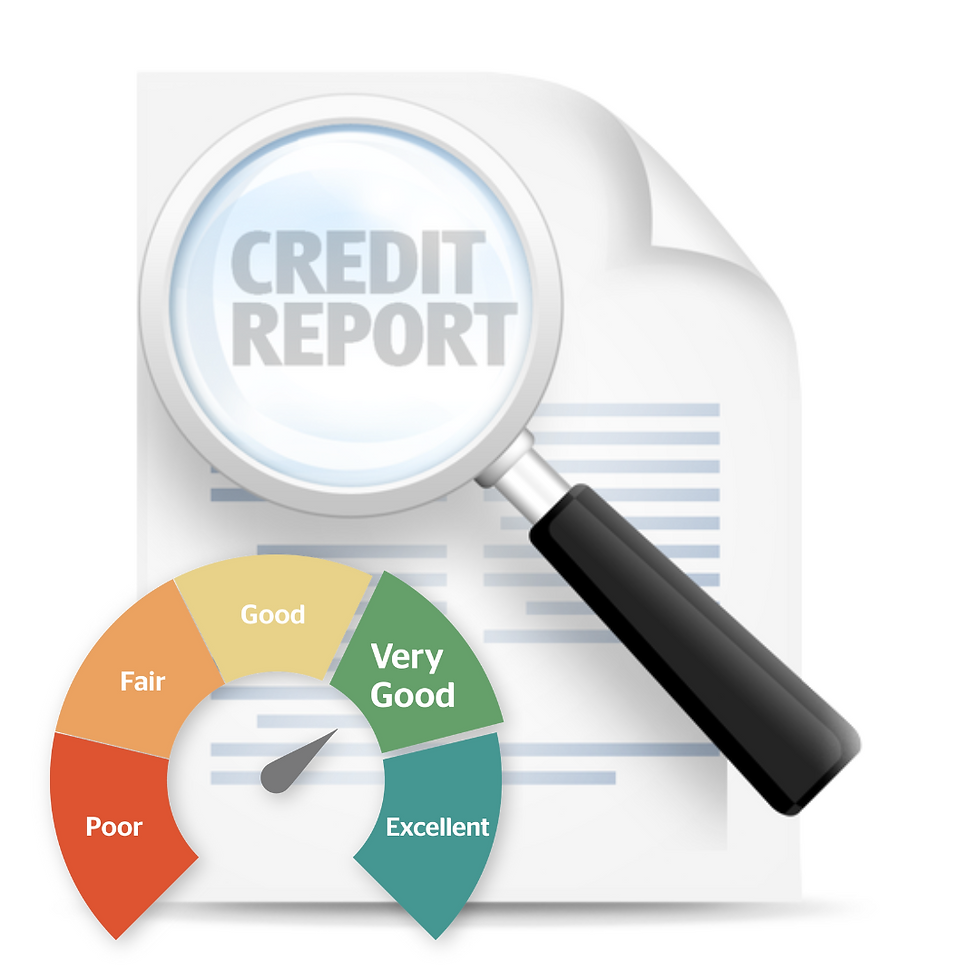
A Credit Information Report (CIR) is a detailed summary of an individual's or entity's credit history, compiled by credit bureaus. It includes information on past borrowings, repayment behavior, outstanding loans, and credit inquiries. The CIR helps lenders assess a borrower's creditworthiness before approving loans.
Key Components of a CIR:
Credit Score: A numerical representation of creditworthiness.
Loan and Credit Card History: Details of past and current credit accounts.
Repayment Behavior: Records of timely or delayed payments.
Credit Inquiries: Instances where lenders have checked the credit report.
How Has the Credit Information Report Helped Financial Institutions?
Financial institutions rely on CIRs to make informed lending decisions. Some key benefits include:
Risk Mitigation: Helps lenders assess the likelihood of loan defaults.
Better Loan Approvals: Enables financial institutions to approve loans based on reliable credit data.
Prevention of Multiple Financing: Ensures borrowers do not take excessive loans from multiple lenders.
Verification of Borrower Details: Cross-checks personal and financial details provided in loan applications.
Why is Data Submission to All Bureaus Important?
Submitting data to all four CICs—CIBIL, Equifax, Experian, and CRIF High Mark—is crucial for maintaining a comprehensive credit history. Key reasons include:
Complete Credit Profile: Ensures borrowers' credit history is available across all bureaus.
Accurate Risk Assessment: Helps lenders make informed lending decisions.
Regulatory Compliance: RBI mandates submission to all CICs.
Data Integrity: Ensures consistency and accuracy in credit reporting.
Timely submission of credit data is crucial for maintaining accurate and up-to-date credit records, ensuring lenders have the most recent borrower information for improved credit assessment. It also helps financial institutions comply with RBI guidelines, reducing discrepancies in credit reports and preventing errors that could affect lending decisions. Moreover, prompt data submission facilitates smoother loan processing, enabling faster approvals and disbursements, ultimately benefiting both financial institutions and borrowers.
Data Submission Requirements for NBFCs
NBFCs and all the financial institutions must submit credit data to all four bureaus twice a month, The submission process follows distinct formats:
Consumer Credit Data: Separate format for individual borrowers.
Commercial Credit Data: Different format for business loans.
Microfinance (MFI) Data: Unique format for microfinance institutions.
Additionally, weekly data submission is expected to ensure up-to-date credit records.
Membership with Credit Bureaus
All NBFCs must become members of all four CICs to ensure comprehensive credit reporting. Membership enables access to credit reports and facilitates compliance with RBI regulations.
Benefits of Membership:
Access to Credit Reports: Helps NBFCs assess borrower risk.
Regulatory Compliance: Ensures adherence to RBI guidelines.
Improved Lending Decisions: Enables data-driven credit approvals.
Documents Required for Bureau Membership
To become a member of a credit bureau, NBFCs must submit the following documents:
Board Resolution (BR) signed by two directors.
GST Registration Certificate.
NBFC License issued by RBI.
Certificate of Incorporation.
Membership Fees.
Membership Form.
PAN Card of NBFC.
All documents must be digitally signed or stamped, and the Board Resolution must include signatures from two directors.
Failure to comply with CIC Act regulations can have serious consequences for NBFCs, including regulatory penalties, operational disruptions, and reputational damage. Inaccurate or delayed submission of credit data can lead to incorrect credit assessments, affecting lending decisions and borrower trust. Additionally, financial institutions may face compliance scrutiny from regulators, potentially resulting in fines or restrictions on operations. Maintaining accurate and timely credit reporting is not only a regulatory requirement but also a key factor in sustaining credibility and efficiency within the financial ecosystem.


Comments